Thinking Beyond Code: Best Alternative Careers for IT Professionals
If you’ve spent years writing code or managing systems, you already have a skill set that opens far more doors than most people realize. Software development is only one path among many. In this article, we break down the best alternative careers for IT professionals — roles where your technical background becomes a launchpad instead of a limitation.
Tech Skills Unleashed: Thrive Beyond the Cubicle
Writing code is just one application of an IT professional’s abilities. The problem-solving, analytical thinking, and systems knowledge you’ve built translate directly into other fields.
Data science is one of the most in-demand alternatives. Instead of building software, you’d be digging through massive datasets to find patterns that shape real business decisions. Healthcare providers, financial institutions, and retailers are all competing for people who can turn raw data into actionable strategy — and IT professionals already have the technical foundation to do it.
Cybersecurity is another strong fit. As cyberattacks become more frequent and more sophisticated, organizations are scrambling to find people who understand how systems and networks actually work — not just how to patch them after the fact. For IT professionals, this is a natural extension of existing knowledge, and it comes with steady demand, strong salaries, and no shortage of new challenges to keep things interesting.
Unveiling IT’s Hidden Gems: Unconventional Careers
Not every IT professional wants to stay behind a screen managing infrastructure. Some of the most rewarding alternative careers involve stepping into more client-facing or creative roles.
Technology consulting is a great example. Consultants help organizations figure out where their technology is falling short and how to fix it — everything from outdated systems to inefficient workflows. It’s a career built on variety: new clients, new industries, and new problems to solve, rather than the same codebase day after day.
If you’d rather write than consult, technology journalism or blogging might be the better fit. Explaining complex tech topics in a way that’s accessible and interesting is a skill in its own right, and IT professionals who can bridge that gap between technical depth and clear communication are valuable in a media landscape hungry for informed voices.
Beyond Binary: Supporting STEM Education
There’s also a path that goes beyond individual career change and into impact: teaching. STEM education is more critical than ever, and IT professionals are uniquely positioned to fill that need. You understand not just the technical material but also how it applies in the real world — which makes for far more compelling instruction than a textbook alone can offer.
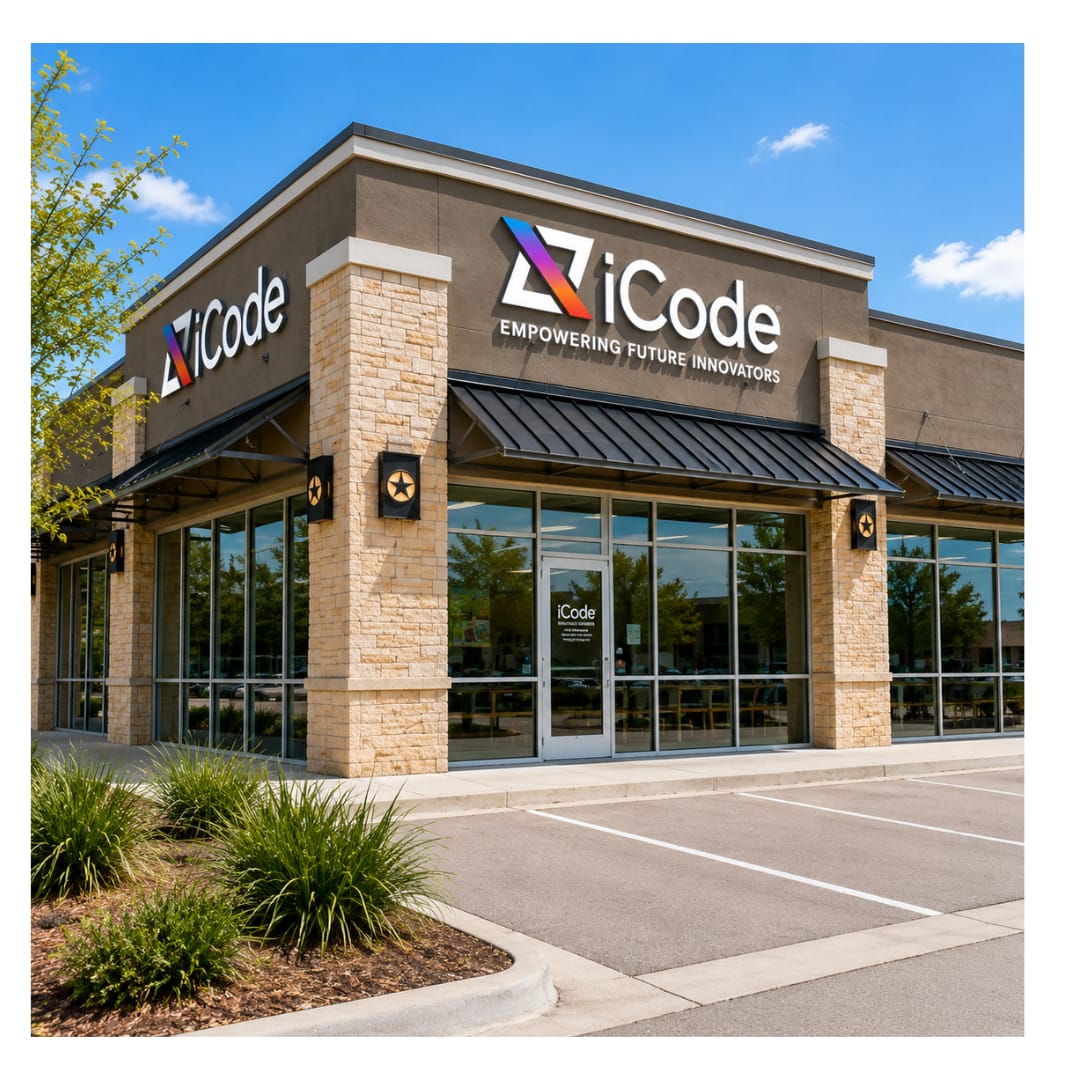
By stepping into STEM education, IT professionals help close the digital skills gap and give the next generation the creativity, critical thinking, and problem-solving abilities they’ll need for almost any career they choose. And you don’t need a teaching background to make the leap — as this breakdown of how iCode helps non-technical owners succeed shows, the skills you already bring to the table often translate more directly than you’d expect.
How to Own a STEM Education Franchise
For IT professionals who want to combine their technical background with real community impact, owning a STEM education franchise is one of the more compelling alternative paths available. Rather than starting from scratch, franchise ownership gives you an innovative, proven business model, structured training, and ongoing support — while still letting you build something of your own.
It’s a chance to put your technical expertise to work in a completely new way: not writing code, but building the next generation of people who will. If you’re ready to move beyond the traditional IT career track, explore the next steps toward a STEM education franchise and see exactly what it takes to get started.