Most people have heard of franchises — the “business-in-a-box” model — yet the actual mechanics of how they work often stay a mystery. What really happens behind the scenes? That’s what we’ll break down here.
How Does a Franchise Work?
In a franchise, the franchisor (owner of the brand and business model) grants a franchisee (you) the right to use its trademark, products, services, and operating systems to sell goods or services under the franchisor’s name.
Because the franchisor has already built a working business, they can hand franchisees a proven model — operating systems, training, and support designed to help you replicate that success rather than build it from zero.
As a franchisee, you invest in the right to operate under that brand and lean on its established systems to launch your own location. You’ll sign a franchise agreement — a contract spelling out fees, royalties, territory rights, marketing requirements, and operating guidelines.
Once you officially own the franchise, the franchisor typically provides ongoing training and support to help you get up and running quickly — starting with initial training before you open, and continuing throughout the life of the franchise. Most franchisors also supply marketing and advertising materials, along with training on how to use their proven systems effectively.
Finally, many franchise agreements specify a defined territory, ensuring franchisees don’t end up competing with each other for the same local customer base.
Can I Operate a Franchise of My Own?
If you’re considering it, you’d be joining hundreds of thousands of other franchisees who’ve made the same call. Before going all in, here’s what the road ahead typically looks like.
Start by researching opportunities that align with your interests, skills, and budget — this isn’t a decision to rush. As you evaluate franchisors, weigh their business model, brand reputation, franchise fee, royalty structure, training and support, and any territory restrictions.
It’s also worth reviewing the franchisor’s financial performance and the track record of existing franchisees. Request a copy of the Franchise Disclosure Document (FDD) — it spells out the full terms and conditions of the franchise relationship.
Once you’ve found a fit, you’ll need to figure out how to fund your location. Most franchises carry an initial investment that varies by brand and format, so think through your options:
- Will you invest out of pocket?
- Do you need to secure a loan?
- What other funding sources are available to you?
Attending a franchise discovery meeting is a good next step — it’s your chance to ask direct questions and get a real feel for the business model before committing. If you move forward, you’ll sign the franchise agreement (have an attorney review it first), complete your initial training, and you’re ready to launch under the franchisor’s brand.
Factors That Impact the Success of Franchise Ownership
A few factors show up again and again in what separates thriving franchises from struggling ones:
- Financial resources: Between the franchise fee, royalty fees, and other costs, owning a franchise requires real financial commitment — know your numbers and your financing options before you commit.
- Brand reputation: The franchisor’s history, financial stability, and track record supporting franchisees all matter — research this before you sign anything.
- Location: Local market demand, competition, and accessibility can make or break performance at a specific site.
- Territory restrictions: Understand exactly what territory rights (or limits) come with your agreement before you commit to a location.
- Training and support: The quality and depth of ongoing training and support can be the difference between a smooth launch and a rocky one.
- Marketing and advertising: Understand what marketing systems and support the franchisor actually provides, and how much of the execution falls on you.
- The franchise agreement itself: This legal contract governs your entire relationship with the franchisor — review it carefully, ideally with an attorney, before signing.
How Do Different Types of Franchises Work?
Franchise structures vary quite a bit depending on the industry and business model:
Product Distribution Franchise — The franchisee purchases and resells the franchisor’s products under its trademark. Common in automotive and food and beverage industries.
Business Format Franchise — The franchisee adopts the franchisor’s complete business model, including training, marketing, and ongoing support. Common in restaurants, retail, and service industries.
Management Franchise — The franchisee manages day-to-day operations — hiring, finances, and more — under the franchisor’s proven model. Anytime Fitness, McDonald’s, and Great Clips are well-known examples.
Joint Venture Franchise — Franchisor and franchisee share ownership and management, both contributing capital and expertise, and splitting profits and losses.
Which Franchise Is Right for You?
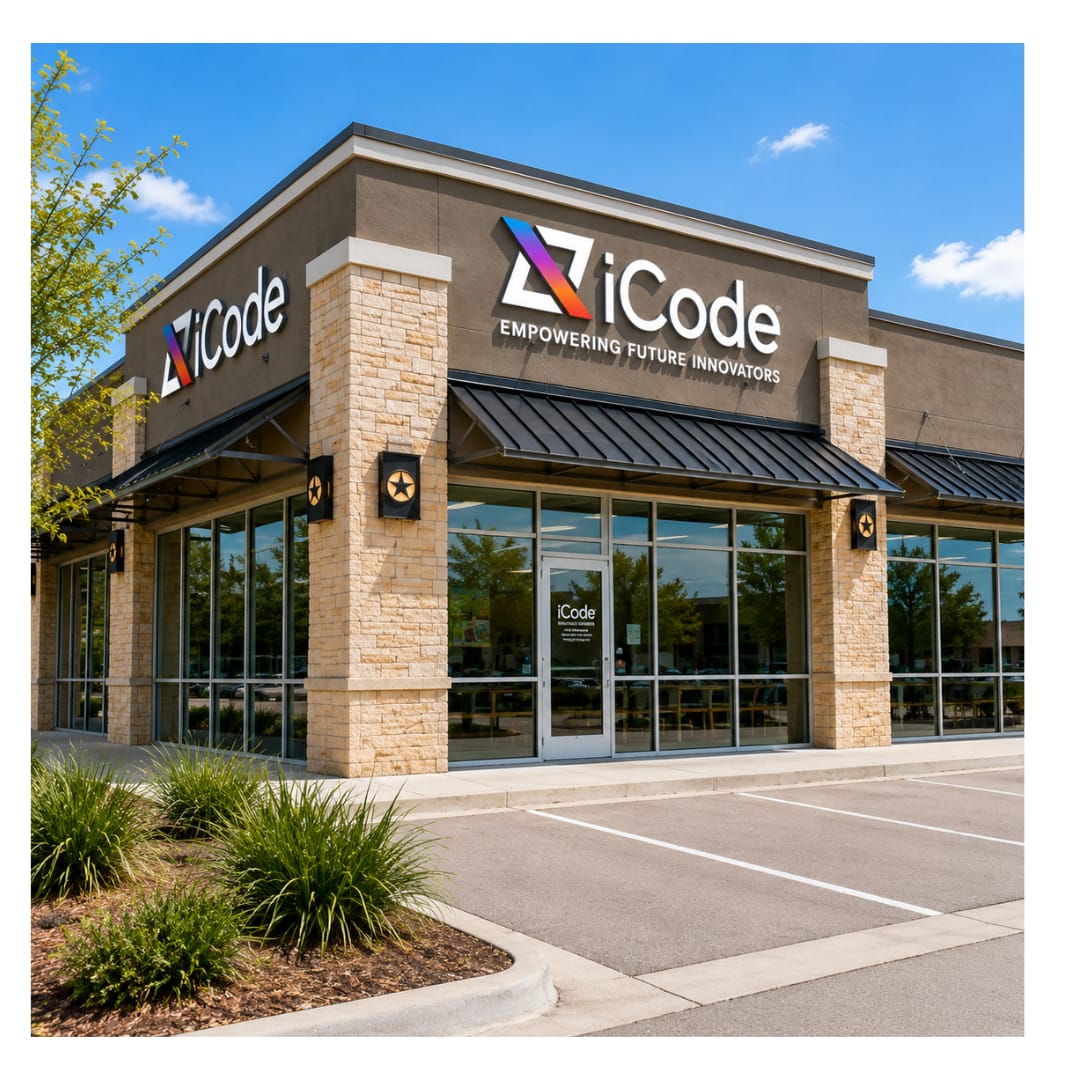
With so many options out there, narrowing it down can feel overwhelming. If you’re leaning toward something in the education space, iCode is worth a serious look — offering after-school coding programs and coding camps that teach kids in-demand STEM skills like coding and robotics.
iCode is a proven franchise with years of operating history and a growing base of successful locations. To become an iCode franchise owner, you’ll typically want experience in management, sales, or marketing (or the ability to hire for it), along with a minimum net worth of $500,000 and at least $100,000 in liquid assets.
The current initial investment range to open an iCode franchise runs from $316,000 to $460,500, covering the franchise fee, build-out costs, equipment, and related expenses.
On the revenue side, iCode’s model is built around multiple recurring revenue streams — from the signature after-school Belt Program to summer camps, holiday camps, corporate partnerships, and more — designed to help you recover your initial investment and reach profitability faster.
As an iCode franchisee, you get the backing of an established brand, comprehensive training and support, and a business model with multiple ways to generate revenue in an industry that’s continued to grow year after year.
When you’re ready to learn more about how to buy a franchise with iCode, explore your next steps today.