How to Buy a Franchise: A 2026 Guide
Thinking about starting a business but not sure where to begin? Franchising is one of the most accessible ways into entrepreneurship — you’re not building a brand or a playbook from zero, you’re buying into one that already works.
But “buy a franchise” covers a huge range of outcomes. Some franchises cost $10,000 to get into; others run past $1,000,000. Some hand you a fully mapped-out playbook; others leave more up to you than people expect. This guide walks through how the process actually works in 2026, what it really costs, and how to tell a good opportunity from a risky one.
The Franchise Market Right Now
Franchising isn’t a niche path anymore — it’s a meaningful slice of the U.S. economy, and it’s entering 2026 on solid footing. According to the International Franchise Association’s 2026 Franchising Economic Outlook, the sector is projected to add over 12,000 new franchise establishments this year, pushing total economic output past $921 billion and adding nearly 150,000 new jobs industry-wide.
That kind of steady, broad-based growth matters if you’re evaluating whether now is a smart time to buy in — it suggests sustainable demand rather than a bubble, which is exactly what you want to see before committing real money to a business.
Step 1: Figure Out If Franchising Fits You
Before you fall in love with a specific brand, get honest about your own situation. Ask yourself:
- Do I have the capital for startup costs and ongoing expenses — or a realistic path to financing?
- Are local market conditions actually favorable for this type of business where I live?
- Does the day-to-day of running this franchise fit the lifestyle I actually want?
- Does my background give me any real edge here, or am I starting from zero?
- Does this brand have a track record I can verify, not just a compelling pitch?
There’s no universally “right” time to buy a franchise — but there is a right time for you, and it comes down to matching your finances, goals, and risk tolerance to the opportunity in front of you.
Step 2: Understand the Categories
Franchise opportunities span far more industries than people usually assume:
- Food & Beverage — the most saturated category, from national fast food chains to fast-casual concepts. High brand recognition, but often high competition too.
- Retail — everything from convenience stores to specialty goods, with wide variance in margins.
- Health & Fitness — one of the fastest-growing categories over the last several years, driven by rising consumer demand for wellness services.
- Automotive Services — repair, maintenance, and car care, generally resilient to economic swings.
- Education — tutoring, test prep, STEM enrichment, and childcare. This category has held up particularly well, driven by sustained parental demand for skills-based, future-focused programs.
- Home & Commercial Services — cleaning, repairs, pest control, and similar recurring-revenue service businesses.
Some categories are more insulated from economic cycles than others — education and essential services tend to hold steady demand even when discretionary spending tightens elsewhere.
Step 3: Understand What You’re Actually Paying For
Franchise costs break down into a few predictable buckets, though the dollar amounts vary enormously by brand:
- Franchise fee — the upfront cost to license the brand, trademark, and system. Ranges from a few thousand dollars to well into six figures.
- Initial investment — buildout, equipment, inventory, and real estate. This is usually the largest chunk of your total cost and varies the most by industry.
- Ongoing royalties — typically 4–12% of gross revenue, paid to the franchisor in exchange for continued support and brand access.
- Marketing/ad fund contributions — usually a smaller percentage, funding national or regional marketing that benefits the whole network.
- Miscellaneous fees — technology platforms, renewal fees, and transfer fees if you ever sell the business.
Rather than looking at the sticker price alone, ask for the full Franchise Disclosure Document (FDD) — it’s legally required and gives you a real picture of total investment range, not just the headline franchise fee.
Step 4: Actually Vet the Opportunity
This is the step most first-time buyers rush through. Before signing anything, dig into:
- Territory rights — Is your territory exclusive, or can the franchisor place another location nearby?
- Real financial performance — Ask for actual unit economics from existing franchisees, not just projections. A reputable franchisor will have this data and be willing to share it.
- Support structure — What training is included before you open? What ongoing support exists after — marketing, operations, technology?
- Franchisee satisfaction — Talk to current owners directly. Their day-to-day experience will tell you more than any pitch deck.
- Legal terms — Understand the length of your agreement, renewal terms, and any non-compete or termination clauses before you sign.
An attorney experienced in franchise law is worth the cost here — franchise agreements are written to protect the franchisor first, and it’s your job to understand exactly what you’re agreeing to.
Step 5: Line Up Financing
Very few buyers pay 100% in cash. Common financing paths include:
- SBA loans — often the most accessible route for first-time franchise buyers, with favorable terms designed specifically for this kind of investment.
- Traditional bank loans — viable if you have strong personal credit and some capital already in place.
- Personal savings or investors — some buyers self-fund entirely or bring in family/investor capital to reduce debt load.
Whichever path you take, go in with a clear picture of your break-even timeline — most franchisors can give you a realistic range based on existing unit performance.
Scaling: What Changes If You Want Multiple Units
Some buyers start with one location intending to expand once it’s profitable. If that’s your plan, a few things shift:
- Time commitment multiplies — running two locations isn’t twice the work of one; it’s closer to three times the complexity, especially early on.
- Financing gets more complex — lenders will want to see your first unit performing before backing a second.
- A support team becomes more valuable — an accountant, attorney, and possibly a business coach start paying for themselves once you’re managing more than one P&L.
Multi-unit ownership can meaningfully increase your returns, but it’s worth proving out unit #1 before committing to the math on unit #2.
Why Buy Into a Franchise At All?
A few advantages consistently show up across almost every successful franchise story:
- A tested system, so you’re not guessing at what works.
- Brand recognition that helps you attract customers faster than an independent startup could.
- Purchasing power through the franchisor’s existing supplier relationships.
- A built-in peer network of other franchisees who’ve already solved the problems you’re about to run into.
- Lower relative risk compared to building a brand-new concept from scratch — though “lower risk” doesn’t mean “no risk.”
Where iCode Fits Into This Picture
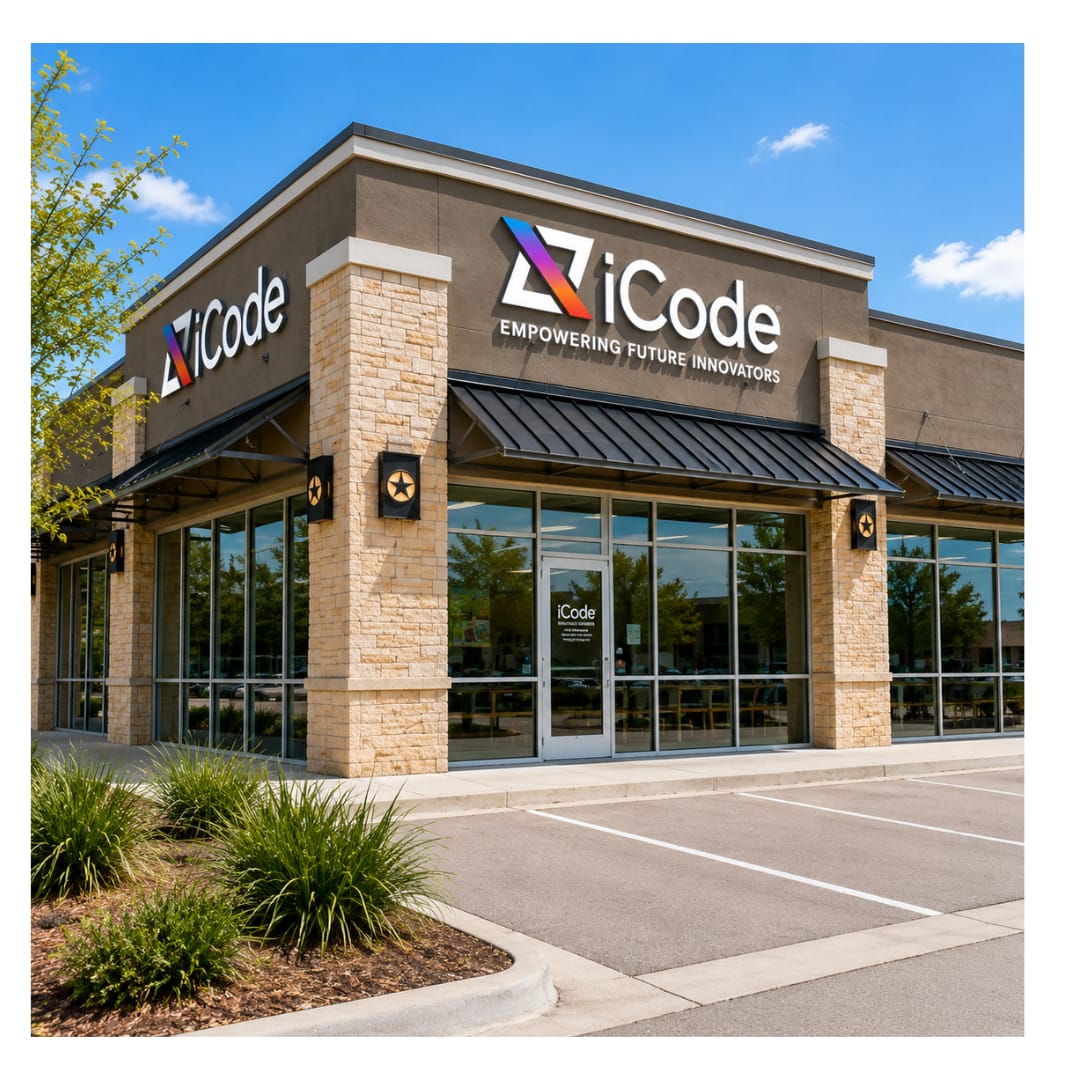
If education is a category that appeals to you — and given how resilient it’s proven to be even through recent economic turbulence — it’s worth taking a closer look at iCode Franchise, a STEM education franchise offering coding, robotics, and STEM programs for kids ages 4–16.
A few specifics worth knowing if you’re comparing iCode against other options:
- Investment range: $316,000–$460,500, with a $40,000 initial franchise fee — modest relative to many other franchise categories.
- Revenue potential: top-quartile campuses currently average $566,365 in gross revenue, with the highest-grossing location topping $1.1 million.
- Multiple revenue streams: after-school programs, summer and holiday camps, birthday parties, adult professional development classes, and more — see the full breakdown.
- Support: comprehensive training, marketing support, and a proprietary, continuously updated curriculum.
If you’re ready to see whether a territory is available near you, take a look at available territories or explore your next steps toward franchise ownership.